Memories have a tendency to get tangled, to lose their distinct scents and tastes. They must be written down as they come, otherwise they become bland. They consist of thoughts, feelings, and fleeting sensations. When you speak memories aloud, thoughts are chased by hundreds of other tiny details that are sometimes so hard to catch. It is even harder to piece it all together. In childhood, many of us had a box for our best toys or found treasures. Collecting memories is very much like putting your treasures into a large jewelry box. At first, there are few memories, they barely cover the bottom of the box, but eventually, it fills to the brim, and you take a new one.
I have a new box for this summer. And I am letting you take a peek inside.
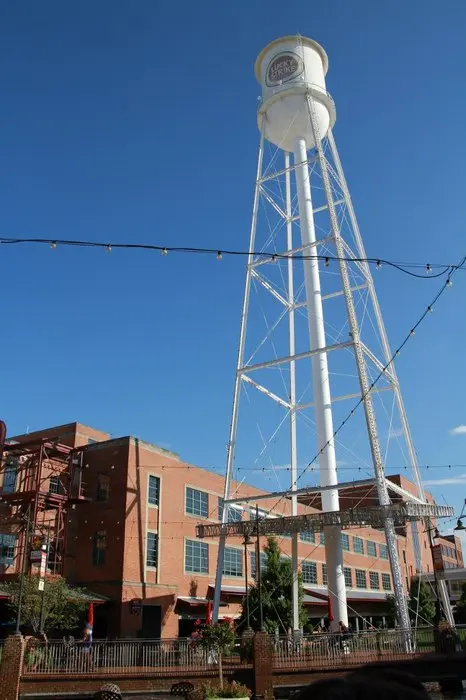
I think the memories of the restaurant and its owners will remain at the very top. The restaurant is called Cuban Revolution Restaurant & Bar.
I wouldn't call it cozy. It's an old red-brick tobacco factory; there are thick iron pipes on the ceiling, and pop art featuring retro stars like Marilyn Monroe, John Lennon, Che Guevara, and John Kennedy hangs on the brick walls. Brick walls hold the least appeal for me, but it was explained to us that this is trendy among Americans; they pay huge money to have a brick wall in their home instead of regular walls. Like in a drug den, honestly.
Modest wooden tables and chairs leave no doubt that this is a bar, not an elegant restaurant where waiters in white tailcoats serve fragrant food on round crystal trays. There is no room for elegance here; the waiters are dressed in strictly black. They dash through the kitchen and the restaurant like comets, dripping sauces and cream on themselves, spilling water and cocktails. White, unlike black, is quite demanding.
the overall color scheme is black and red, but it is quite restrained, not flashy. At night, candles are lit on the tables.
Cooks and waiters dance salsa in the kitchen to music, throw food, and splash sauce. There are almost no native Americans from the northern states here, mostly loud and temperamental residents of Spain or South America. I think they like us.
They are surprised that we are from Russia and ask us to teach them Russian words. The cook and the bartender treat us to sandwiches; a guy named Luis keeps asking if we want to drink and pours us soda or water. Almost all Americans drink with ice or soda with various flavors. Also, residents of North Carolina prefer VERY sweet iced tea. You surely remember the disgusting school swill in the cafeteria that bore the proud name of "sweet tea." The water tastes like scale, and the sugar rises to half the glass.
There are more people on Thursdays. A special salsa instructor offers to level up your dance skills. Many dance quite well; apparently, they come here every Thursday. The tables are pushed together to create a kind of enclosure, where a girl sits at the entrance and issues tickets for an extra fee.
It is normal if you walk into a store and manage to get to know the cashier in two minutes, learning that his uncle won't come to his fortieth birthday celebration because a dog named Fluffy died of old age.
I don't even know what is more human: the genuinely indifferent faces of Russians or the feigned friendly smiles of Americans that they give you without thinking. Try talking to a cashier at a newsstand or a vegetable kiosk in Russia; most likely, an indignant look will follow you to the door, and at home, you will brew a potion against the evil eye more than once.
It was our first time doing an internship. I was assigned as an assistant to a guy named Kruz. He has a dark face, mongoloid features, and slanted eyes; he looks like a Tatar. He has an earring in each ear that looks like a large diamond. A pen is always sticking out from behind his ear. He writes everything down on colored sticky notes. He handles this pile of colorful papers quite skillfully, remembering which of the six visitors at the table ordered a Red Stripe beer and who ordered a Cuban sandwich. He is very fussy, always trying to do things faster than he can, rushing. He pokes at the computer with the menu at the speed of light and makes mistakes all the time. He opens the door with his hip when his hands are full and explains to me along the way how everything is set up here. I try to adjust to his rhythm, helping to pour ice cubes into glasses and poking in straws.
Later, it turned out that he is not rushing through life in vain. He seems like a cheerful person with a sense of humor, keeping track of his rainbow sticky notes, but he has cancer. Our Mary says that she called the doctor who prescribes his medication herself to find out how capable he still is, so as not to cause him pain with such questions. He holds up very well; you wouldn't even think that something is wrong with him.
After a long workday, we are offered to order anything we want in the restaurant. There is little familiar food on the menu; there is nothing European. All the names are written in Spanish; I have never seen many of the vegetables in my life. Various Cuban things, for example, a dish called Maduros, are fried in oil that looks like boiling lava. The vegetable itself, from which it is prepared, is almost a banana, but it has a different, more herbaceous smell. It melts pleasantly in your mouth, especially when you dip it in cold sour cream.
We relax, shouting in the water and splashing around; many look at us with surprise. They lie on white plastic loungers without towels, smearing themselves with a thick layer of SPF 70 cream and feigning smiles.
So we are moving. Mary and Edward give us T-shirts with the restaurant's name.
We are bid farewell by the "special" dachshund Frodo. Like all small dogs, he almost pees with joy. From one extreme to another: he runs up and stands on his hind legs, then hides in a corner and doesn't respond to calls. As a goodbye in the car, he licked my nose.
Brutus, Edward and Mary's second dog, from whom we ourselves hide under the table in fear, solemnly comes out from the balcony where his owners hide him. He doesn't like receiving guests. Once he treated us not very kindly, chasing us out of the garage with loud barking. We forgave him, petted him, and he posed for the camera.
Here we were sheltered, and we felt as if Mary and Edward were our parents. They sheltered us just like that.
Suitcases are packed, goodbyes to employers and dogs are finished. We can live independently.
Mary helps us find housing. She is like a mom, going with us to rental offices and negotiating with various ladies. Apartments and houses here are very expensive; we found a suitable option called an extended american hotel. Usually, people who have temporary housing problems stay here. There are fewer amenities than with our temporary parents, but at least it is ours now. A standard hotel room, two double beds, a TV, a sliding-door wardrobe.
There is even a small kitchen with a bar counter right in the room.
During the day, we are enveloped in darkness and silence, in which the dull hum of the refrigerator and the coughing sound of the air conditioner, which either works or craves a kick to turn on again, are barely audible. I hope we can get used to it. There are trees all around here, and it smells delicious with herbs, and that is already good. Which means life is possible. Accepted, as it is now written in our US visa.
In the evening, only crickets are heard on the streets. There is a lot of silence. Here it is measured in cubic meters.
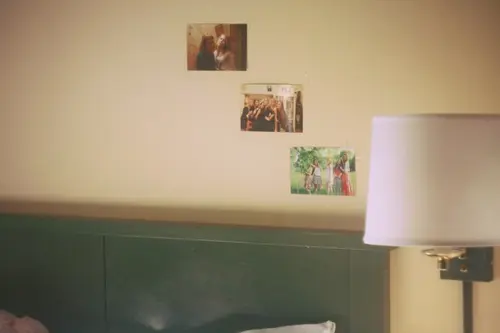
After unpacking my shirts, dresses, jars of cream, and chargers onto the shelves, the first thing I do is stick three photos on the wall above the bed that Dasha carefully put in an envelope she made with her own hands.
In a foreign country, you start to miss not only people but also Russian food itself. We brought a few kilograms of buckwheat groats with us. Crumbly, softened by water, it melts in your mouth along with crystals of sugar. I scoop it up with a spoon with a satisfied look. For the first time, there is no heaviness in my stomach from sandwiches and yogurts, which are only fit to feed pigs, but a feeling of satiety. This is a reason for joy. We have a roof over our heads now, we have porridge, we have work.
At first glance, everything here is flawless. Everyone has everything others dream of and does not suspect how destructive perfect things are. You step on a colorful tail, lured by powerful beauty. And it will always seem to you that it is ahead of you.
And I will miss it for a while longer. My doubts, hobbies, home. But most of all, the people. In the hidden corners of memory, signals flash one after another and pulse for a long time. They gather into images, into faces, sometimes blurred, sometimes so expressive that it seems like you are seeing them in reality. And I try to cherish them, to tame their frivolous nature, but the memories are already flashing their heels, as if joking, mocking.